Excellence in Teaching, Research, and Outreach
Located at the heart of the University of Wisconsin-Madison campus, the College of Agricultural and Life Sciences (CALS) is one of the oldest and most prestigious colleges devoted to the study of our living world.
Established in 1889, CALS carries out UW-Madison’s mission as a land-grant public university through excellence in teaching, research, and public outreach across 15 academic departments and and multiple centers, institutes, and programs. By encouraging collaboration and innovation across many fields of study, the college is working to address society’s grand challenges in the areas of food systems; ecosystems; climate change; bioenergy and bioproducts; economic and community development; and health and wellness.
CALS Mission
To advance and share knowledge, discover solutions, and promote opportunities in food and agriculture, bioenergy, health, the environment, and human well-being
Vision
To lead in science, innovation, and collaboration that improves life and sustains the natural world
Academic Excellence

CALS programs promote critical thinking and emphasize problem-solving to improve life and sustain the natural world.
Many CALS undergraduate students continue their education in graduate school or enter professional schools in medicine or veterinary medicine. Others pursue careers in biotechnology, conservation and recreation, communications, agriculture, human nutrition, animal health or public service.
*24-25 First Destination Survey
Advancing Research
The College of Agricultural and Life Sciences is an engine of scientific discovery fueled by talented researchers and students. CALS researchers collaborate across disciplines and partner with communities, industry, nonprofit groups and others to discover solutions for the complex problems facing society.
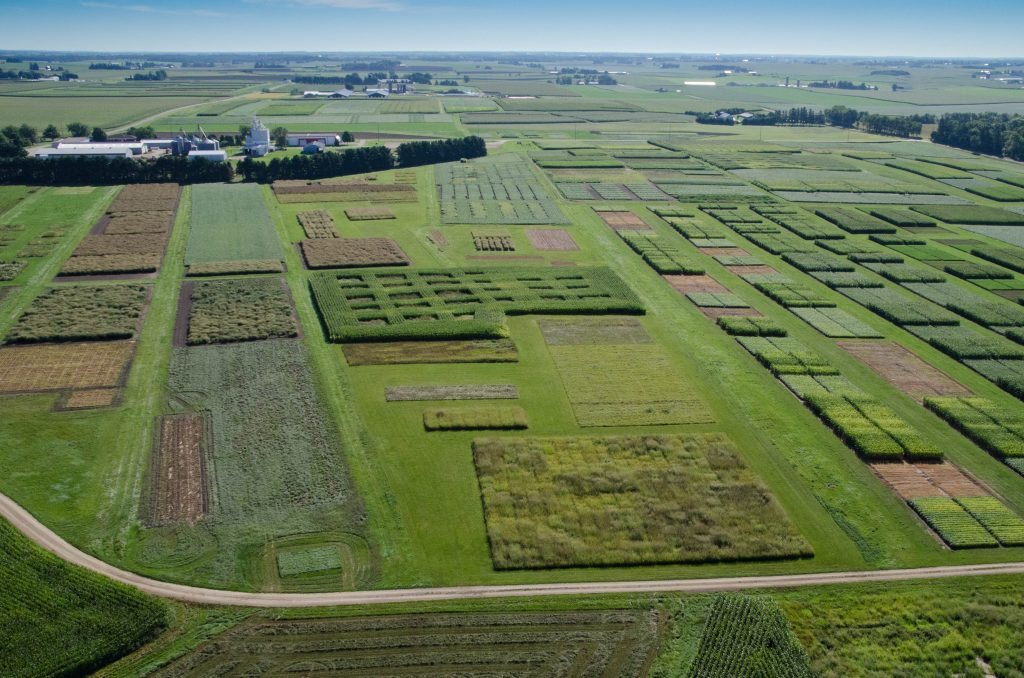
CALS operates a network of 12 agricultural research stations (ARS) located across the state including the on-campus CALS Greenhouses. Combined, the stations have more than 8,000 acres and conduct hundreds of research projects annually.
Statewide Economic Impact
CALS serves as the research and development backbone of Wisconsin’s $116.3 billion agricultural economy. CALS generates $884.2 million in total economic impact across Wisconsin. As these dollars circulate through the state’s economy, they produce an additional $575.1 million in indirect and induced impact, benefiting suppliers, businesses, and rural communities.
By connecting cutting-edge science with the needs of farmers, businesses, and communities, CALS remains a cornerstone of Wisconsin’s agricultural leadership and economic strength.
The Wisconsin Idea in Action
CALS has nearly 250 faculty and hundreds of staff and students who help carry out the college’s research, education and outreach missions. Several dozen faculty and staff are jointly funded with the Division of Extension, placing them in positions to work closely with Wisconsin citizens and communities. This collaboration helps CALS further the Wisconsin Idea, the long-standing tradition that the university should influence lives beyond the boundaries of the classroom.
The college offers a wide array of outreach opportunities, from the Wisconsin Master Cheesemaker program, to summer field days, to diagnostic labs available to assist homeowners in identifying insect pests and turfgrass health issues.